

15. 7. 2026
7 Common Mistakes When Choosing a Robot Vacuum | RobZone
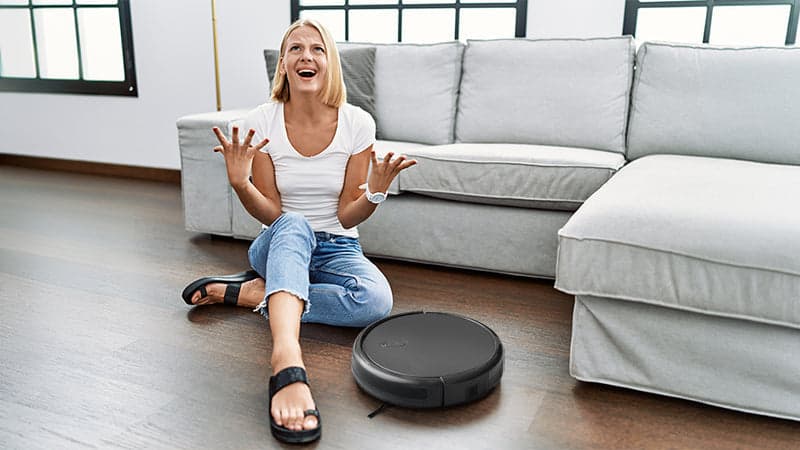
A robotic vacuum cleaner is meant to save you time on cleaning, not create new headaches. But for it to truly live up to your expectations, it’s not enough to choose one based solely on price, appearance, or a single technical specification. It’s important to consider the type of flooring, the height of your furniture, the layout of the space, whether you need mopping, Wi-Fi connectivity, and how much hands-on operation you expect from the robot. Take a look at the most common mistakes people make when choosing the wrong model, and find out how to avoid them.
1. Underestimating the Height of Furniture
One of the most common mistakes is buying a robot vacuum without measuring the space under the bed, couch, cabinets, or dresser. Yet cleaning under furniture is one of the major advantages of a robot vacuum. It can reach places that are often difficult to access with a traditional vacuum cleaner. To ensure the robot can safely maneuver under furniture without getting stuck, there should be at least 1 cm of clearance above its top edge. If the space is too low, the robot may get stuck under the furniture, bump into things, or fail to clean that area at all.
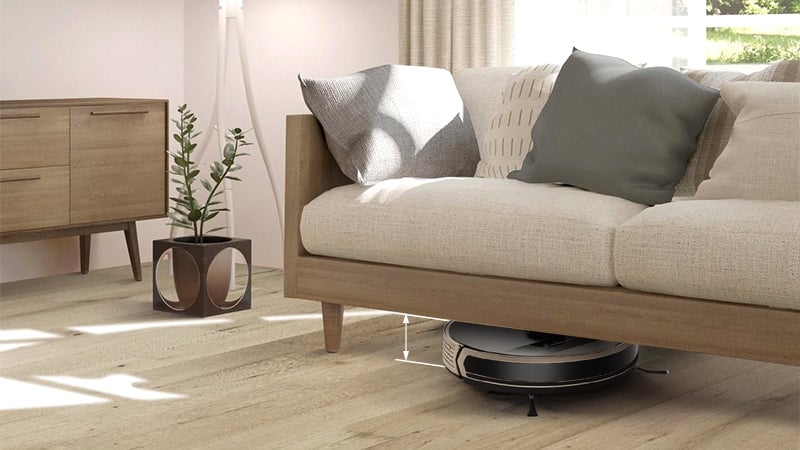
What to look out for:
- measure the clearance under your couch, bed, and dressers,
- check the height of the robot you’ve chosen, including the navigation module,
- allow for at least 1 cm of clearance,
- don’t forget about low radiators, baseboards, or furniture with crossbars.
RobZone Tip
If you want the robot to clean under furniture regularly, consider its height right from the start. A low profile may be more important in practice than some “attractive” extra features.
2. Unsuitable for Carpets
Not every robot vacuum is equally suitable for carpets. If your home has mostly hard floors, the choice will be easier. But if you have more carpets, higher pile, or fabric surfaces in multiple rooms, a universal model might not be enough. It’s a mistake to choose a robot vacuum with weak suction or an unsuitable brush system. Carpets require a different approach than hard floors; dirt gets trapped between the fibers, and the robot must be able to actually pull it out, not just glide over the surface.
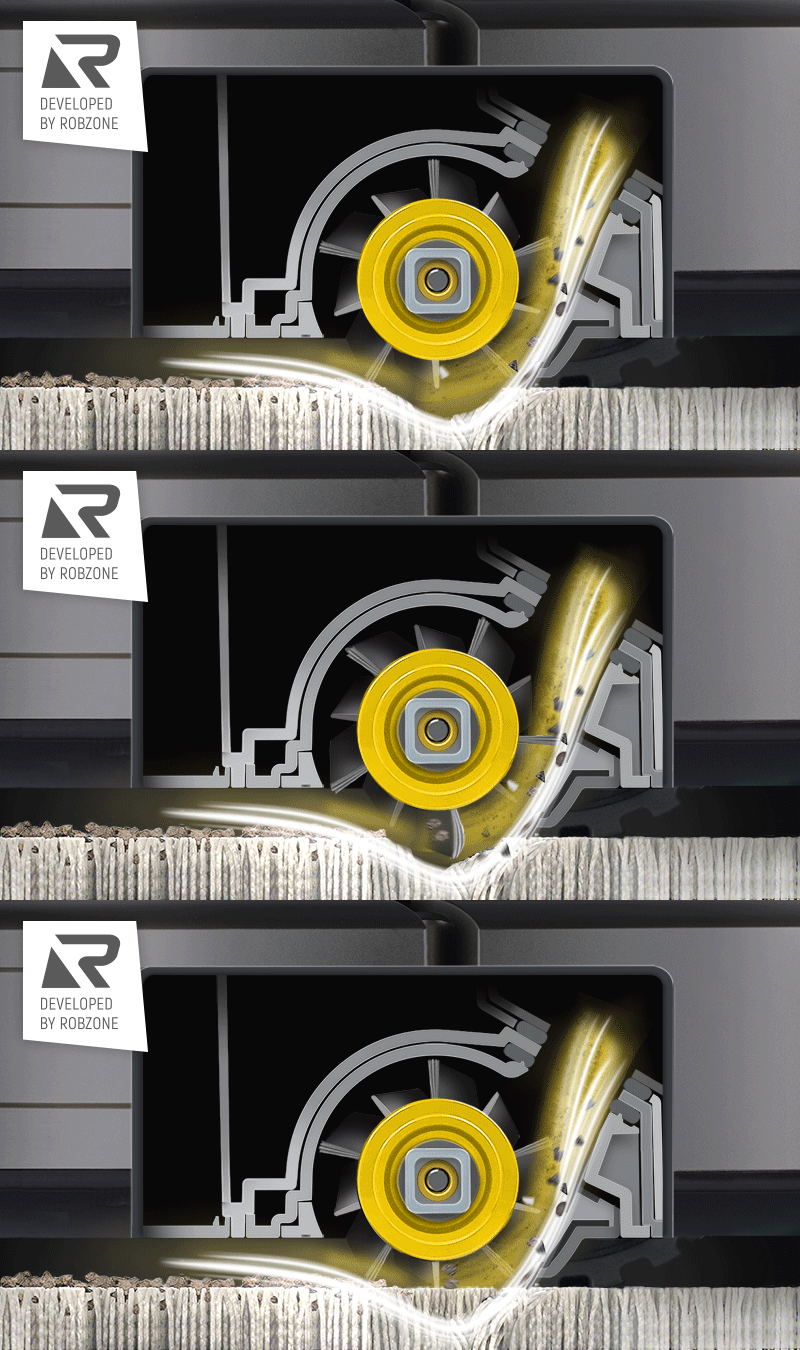 The special Airmax Carpet Pro vacuum head with a rotating lamella-bristle brush offers a revolutionary way to clean carpets.
When choosing a model, therefore, focus on sufficiently powerful and consistent suction, a high-quality main brush, a carpet mode, the ability to boost power when it reaches a carpet, and battery life even at higher power settings.
If you’re looking for a robotic vacuum cleaner for carpets, it’s worth choosing a model designed specifically for this type of cleaning. In the RobZone lineup, the Roomy Expert is a great choice for this purpose, as it’s designed for thorough carpet cleaning.
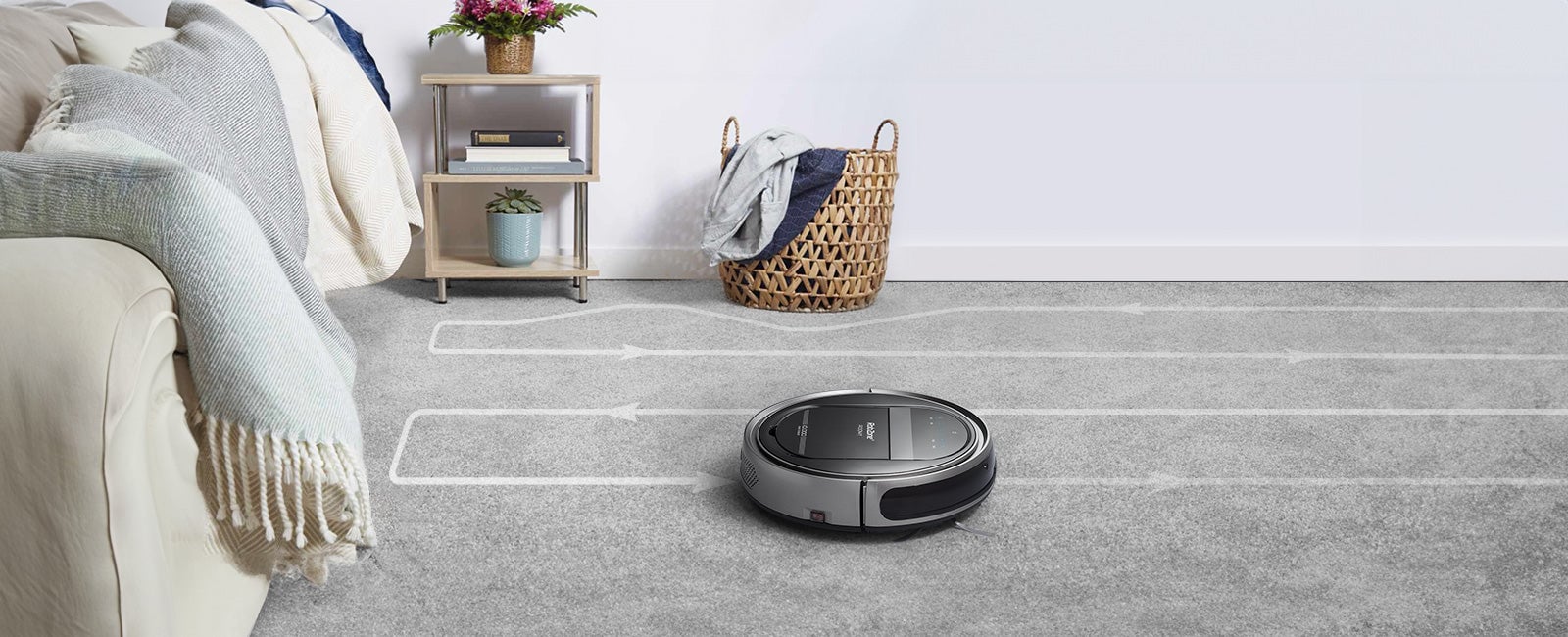 Roomy Expert Profi—the expert in deep carpet cleaning
3. Neglecting the mopping method
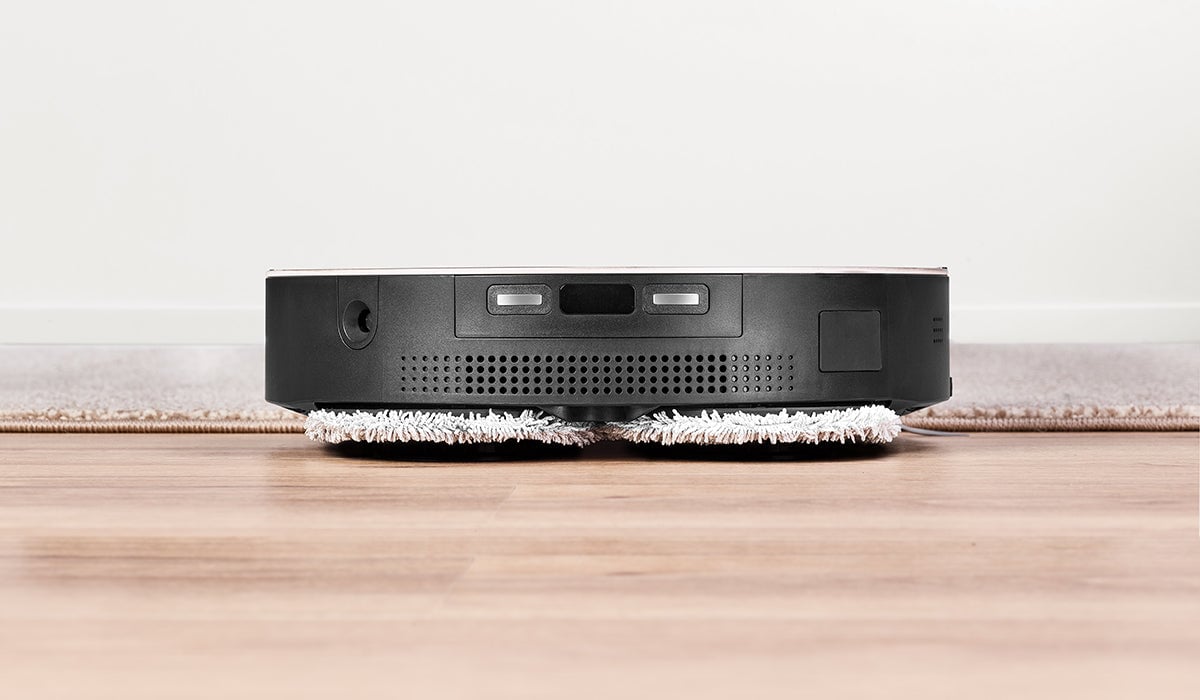
With robotic vacuums that include a mop, it’s important to distinguish how they actually mop. Some models simply drag a damp mop across the floor, while others use active mopping, rotating mops, downward pressure, or automatic mop washing at the charging station. A major mistake is buying a model that cannot handle carpets while mopping. If you have a mix of hard floors and carpets at home, you need a robot that can recognize carpets and lift the mop when it encounters one. Otherwise, there’s a risk that the carpet will get unnecessarily wet.
The premium Duoro X-Comfort models handle the combination of hard floors and carpets by automatically lifting the mops. This allows them to clean even in homes where different types of surfaces alternate.
4. Choosing a Model Without a Self-Service Station
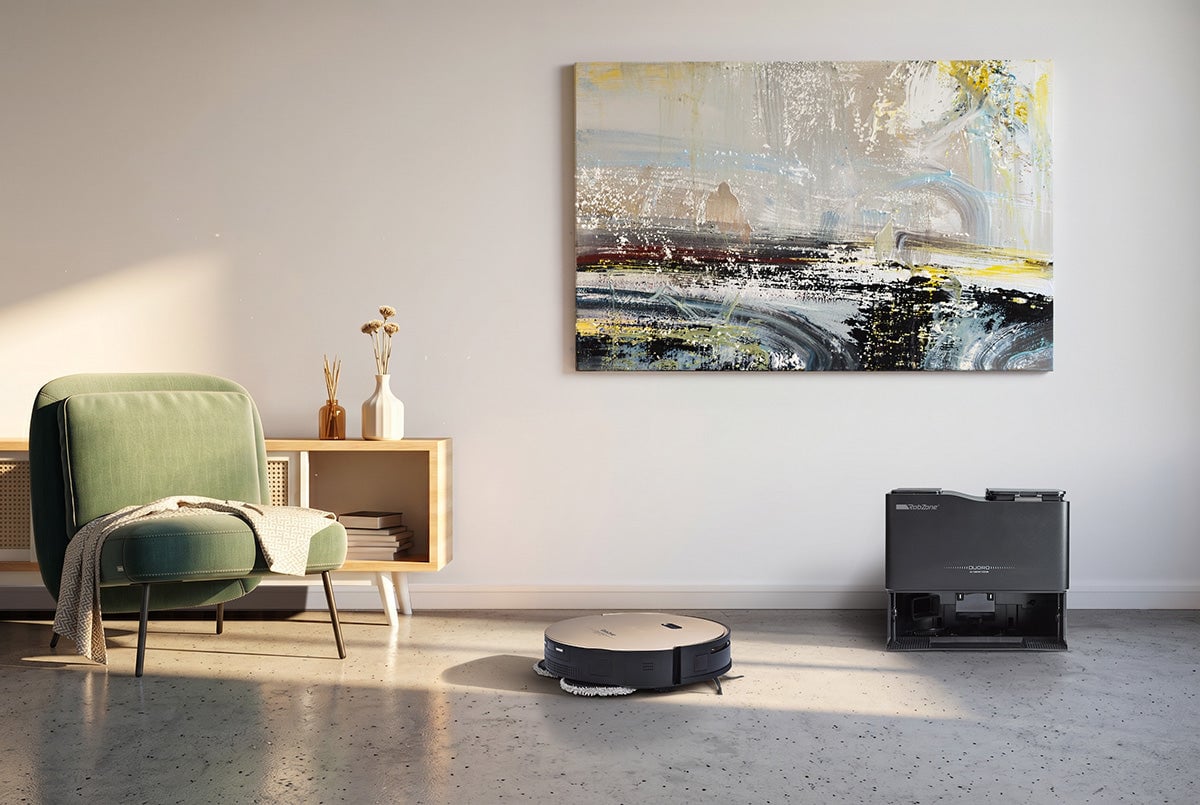
If you want to get the most out of your robot vacuum—especially for regular mopping—consider a model with a self-service or fully automatic cleaning station. It’s a mistake to choose a cheaper model without a station and only later realize that frequently emptying the dustbin, refilling the water, or washing the mops is a hassle.
You’ll especially appreciate the docking station if:
- you have a larger apartment or house,
- the robot will clean every day,
- you have children or pets,
- you want to mop frequently,
- you don’t want to deal with the dustbin and mops after every cleaning,
- you want to minimize contact with dust.
5. Weak Wi-Fi connection
Many users forget that smart features and laser navigation require a stable home network. Without a strong signal in the areas where the robot is supposed to clean, you won’t be able to use the app or control it remotely. Most robotic vacuums require a connection via a 2.4 GHz Wi-Fi network. If your router is set to 5 GHz only, you may need to adjust your network settings or create a separate 2.4 GHz network for smart devices.
6. Failure to Navigate Physical Barriers in the Home
A robotic vacuum is an independent helper, but not a magician. It won’t open closed doors, move between floors, or clean a room it physically can’t access. It’s a mistake to assume that the robot will automatically handle the entire house without any preparation of the space. When planning your purchase, you need to consider thresholds, stairs, closed doors, different floors, cables, loose objects, or rooms that are often separated. Expect that the robot will need your assistance in some areas (such as opening doors or being carried).
7. Underestimating the Initial Setup
Some users want to get the robot up and running as quickly as possible after unboxing and skip important setup steps. However, the initial configuration significantly affects the robot’s future cleaning performance. Properly pairing the robot with the app, creating a map, and setting up the rooms will help the robot clean more accurately and efficiently. The initial setup usually takes only a few minutes, but it’s worth taking your time. During the initial mapping, the robot scans the space, recognizes the rooms, and creates a foundation for future cleaning planning.
When starting it up for the first time, we recommend:
- charge the robot according to the instructions,
- pair it with the app,
- ensure a stable Wi-Fi connection,
- remove cables and small items from the floor,
- let the robot create a map of the space,
- name the rooms,
- set up no-go zones,
- check the cleaning schedule.
RobZone offers video tutorials that will guide you through the robot’s setup step by step. This will help you avoid unnecessary problems and ensure the robot works as intended right from the start.
Are you worried you’ll forget something or make a mistake when choosing? Try filling out our short questionnaire/configurator, which will recommend a model tailored to your home.
The right choice starts with your home
The best robot vacuum isn’t the one with the highest specs, but the one that’s right for your home. We’ve put together a guide to choosing a robot vacuum to make your decision easier.