
19. 6. 2026 · Team RobZone
How a Robot Vacuum Works | RobZone
How a Robotic Vacuum Works
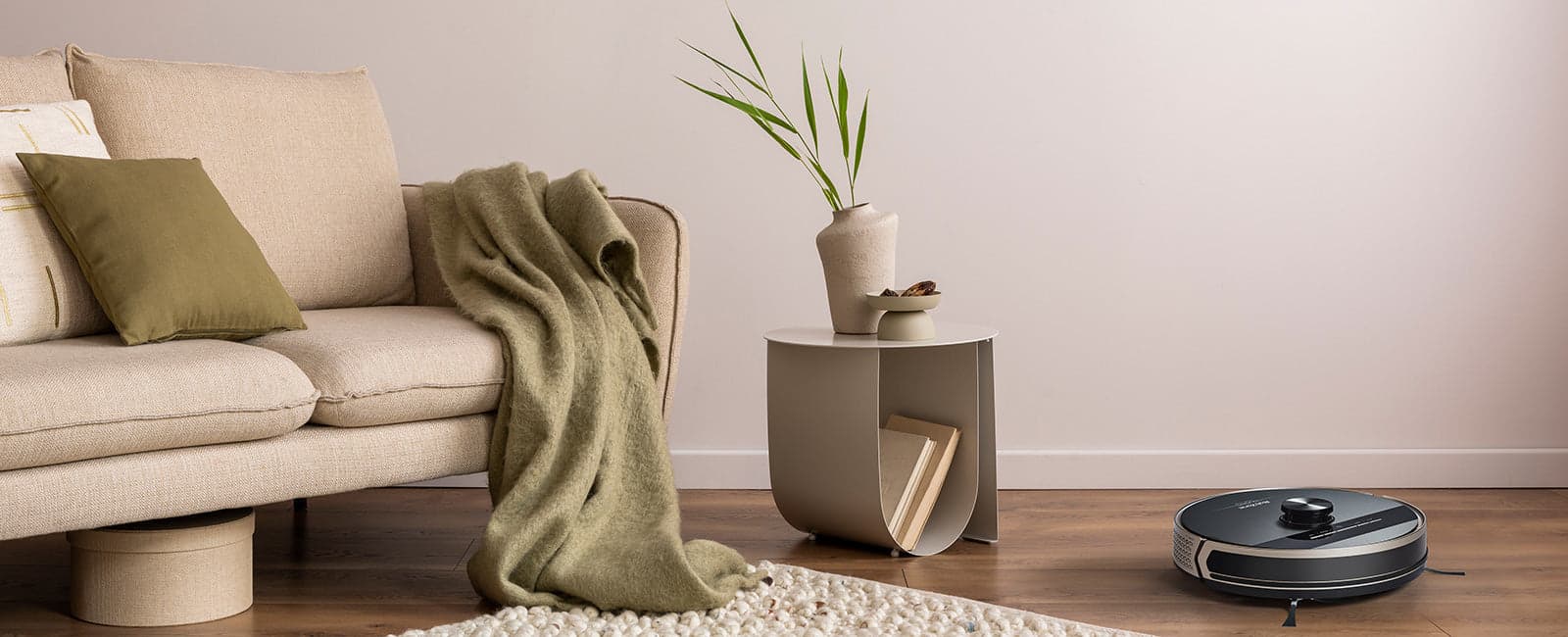
A robotic vacuum cleaner is a small, autonomous helper that moves independently around the home, vacuums the floor, and—in select models—also mops. It works thanks to a combination of sensors, motors, brushes, a suction system, smart navigation, and software that controls the entire cleaning process. Modern models can map their surroundings, memorize individual rooms, avoid obstacles, and return to their charging station once their work is done. Discover the technology behind RobZone robotic vacuum cleaners.
How a Robotic Vacuum Works
A robotic vacuum cleaner is essentially a small robot that cleans the floor on its own. It operates thanks to a combination of sensors, motors, and smart software. To navigate the space, it uses various types of sensors that allow it to detect obstacles or prevent it from falling down stairs. The robot scans the entire space, creates a map of it, and memorizes it. You can then use the map in the app to, for example, select the rooms you want the robot to clean or mark areas it should avoid.
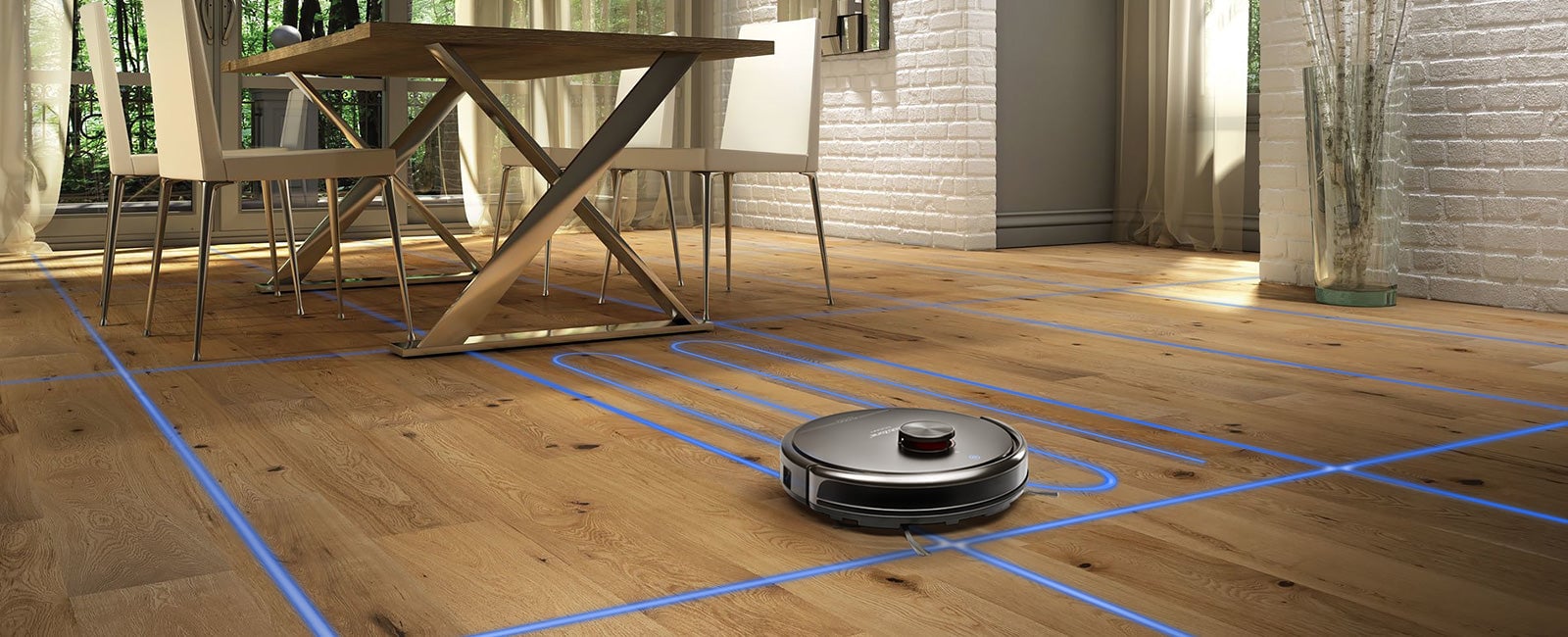
High-quality navigation significantly affects how thoroughly, quickly, and efficiently the robot vacuum cleans your home. A well-designed movement system allows the robot to cover the entire space without missing any spots, without unnecessary repetition of routes, and with the assurance that it will safely avoid obstacles.
In addition to vacuuming, many models today also offer high-quality mopping and the use of self-service stations, which not only handle dust extraction and mop drying but also refill the robot with water. The best robotic vacuums with mopping capabilities even offer hot-water mopping, completely replacing the manual mopping you’ve been accustomed to for years. In the app, you can then set a wide range of other parameters, from vacuuming and mopping intensity and mop washing intervals to the times when the robot should clean.
The robot first maps out the space
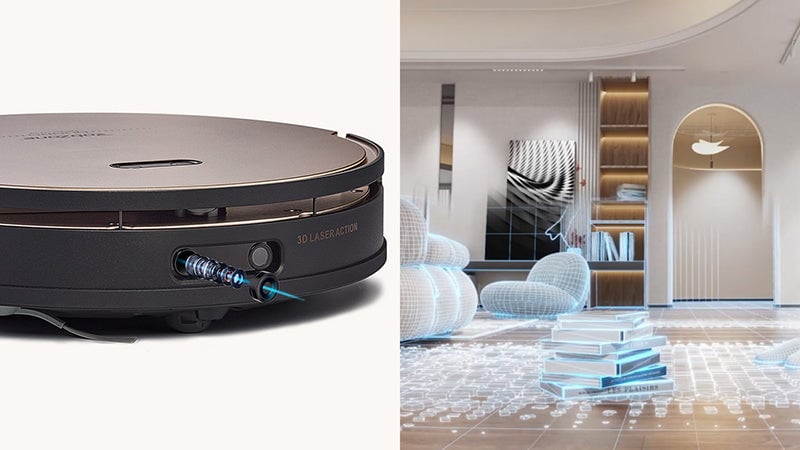
In order for a robotic vacuum to clean on its own, it must first know where it is. To do this, it uses various types of sensors and navigation technologies. These help it recognize walls, furniture, obstacles, stairs, or changes in the room layout. Basic models may move in a simpler manner, while the best robotic vacuums use more precise navigation, such as laser navigation, camera recognition, or a combination of multiple systems. Thanks to this, they do not move randomly but systematically plan their cleaning route.
High-quality navigation has a major impact on the results. Thanks to it, the robot doesn’t unnecessarily re-clean the same spots, doesn’t miss parts of the room, and can clean faster and more thoroughly.
It creates a map of your home
During its first few runs, a modern robotic vacuum scans the space and creates a map of your home. It stores this map in its memory and uses it during subsequent cleaning sessions. In the mobile app, you can view the map, name individual rooms, and set where the robot should clean. You can also mark areas where the robot shouldn’t go.
Sensors protect both the robot and your home
The robotic vacuum cleaner doesn’t rely solely on the map while cleaning. It constantly assesses its surroundings using sensors. These help it slow down before an obstacle, navigate around furniture, avoid going where it shouldn’t, and prevent it from falling down stairs. For example, the sensors can detect:
- obstacles in front of the robot,
- walls and furniture,
- stairs and changes in elevation,
- floor type,
- carpet,
- returning to the charging or cleaning station.
How the robot knows when to recharge
The robotic vacuum continuously monitors its battery level. If the battery runs low, it returns to the charging station. After recharging, advanced models can resume cleaning where they left off.
Modern RobZone robotic vacuums feature smart power management. When the battery level drops below approximately 10%, the robot automatically returns to the station, and charging typically takes about 4–5 hours. Battery life varies depending on the cleaning mode and surface; carpets require more energy at higher power settings than smooth floors.
How a Robotic Vacuum Works
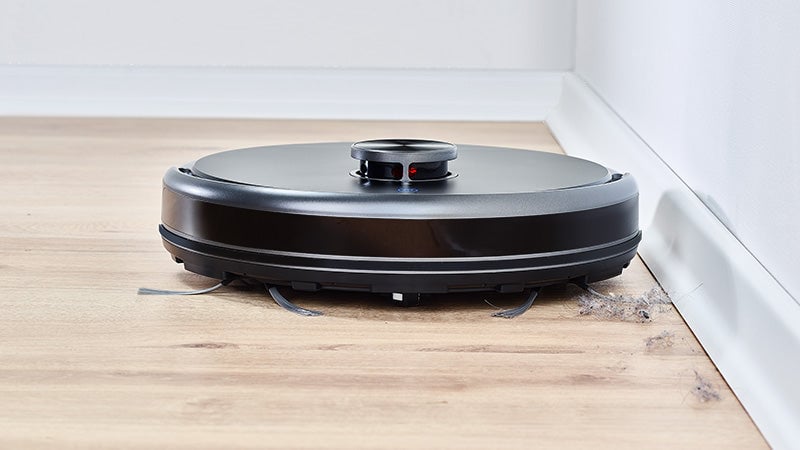
Inside the robotic vacuum cleaner are a suction motor, a main brush, side brushes, and a filtration system. The side brushes sweep dust and debris away from walls, corners, and furniture toward the main suction opening. The main brush then helps collect dust, hair, pet hair, crumbs, and other debris from the floor.
How does it handle different surfaces?
A robotic vacuum cleaner can clean hard floors, tile, vinyl, laminate, hardwood floors, and carpets. On some models, the cleaning mode adjusts to the type of surface. On smooth floors, the robot picks up dust and small debris; on carpets, it can increase suction power to more effectively pull debris out of the fibers.
How Mopping Works
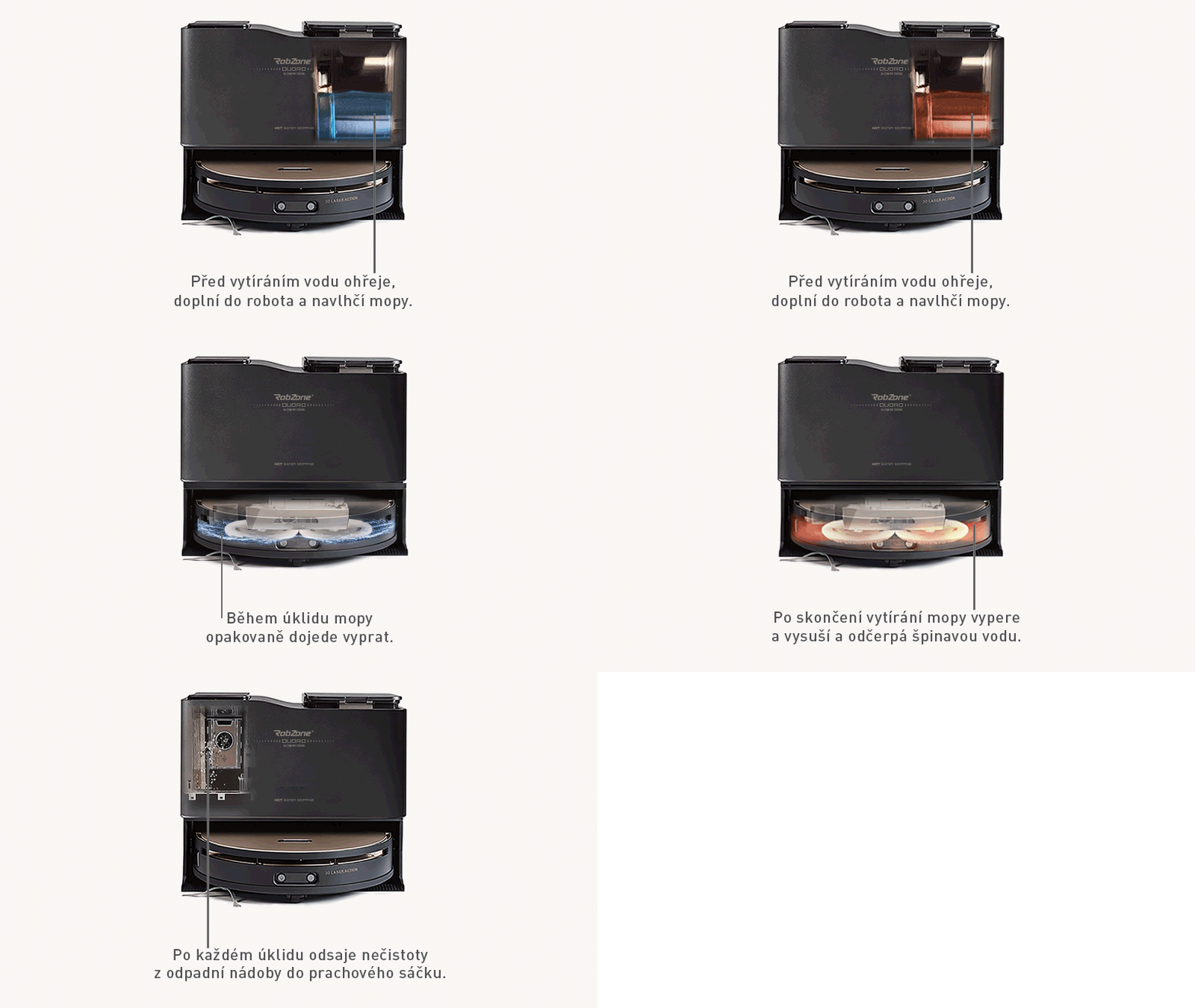
Robot vacuums with a mop feature active mopping, rotating mops, pressure, and—on select models—hot-water mopping. Basic models typically use a water tank and a mop pad. They’re better suited for smaller areas or light, regular maintenance. More advanced models feature automated mopping, which may include water dispensing, regular mop washing, and drying after cleaning.
What does the charging station do?
Today, a charging station is no longer just for charging. With more advanced robotic vacuums, it has become the hub of all maintenance. The robot returns to it after cleaning, recharges, and—depending on the station type—can automatically empty debris, refill water, wash mops, or dry them.
An automatic vacuuming station sucks dust and debris from the robot’s dustbin into a larger bag inside the station—a feature appreciated by anyone who doesn’t want to empty the dustbin by hand after every cleaning session. The fully automatic cleaning station goes even further. It can extract debris, refill with clean water, wash dirty mops, drain dirty water, and dry the mops after cleaning.
How the App and Cleaning Scheduling Work
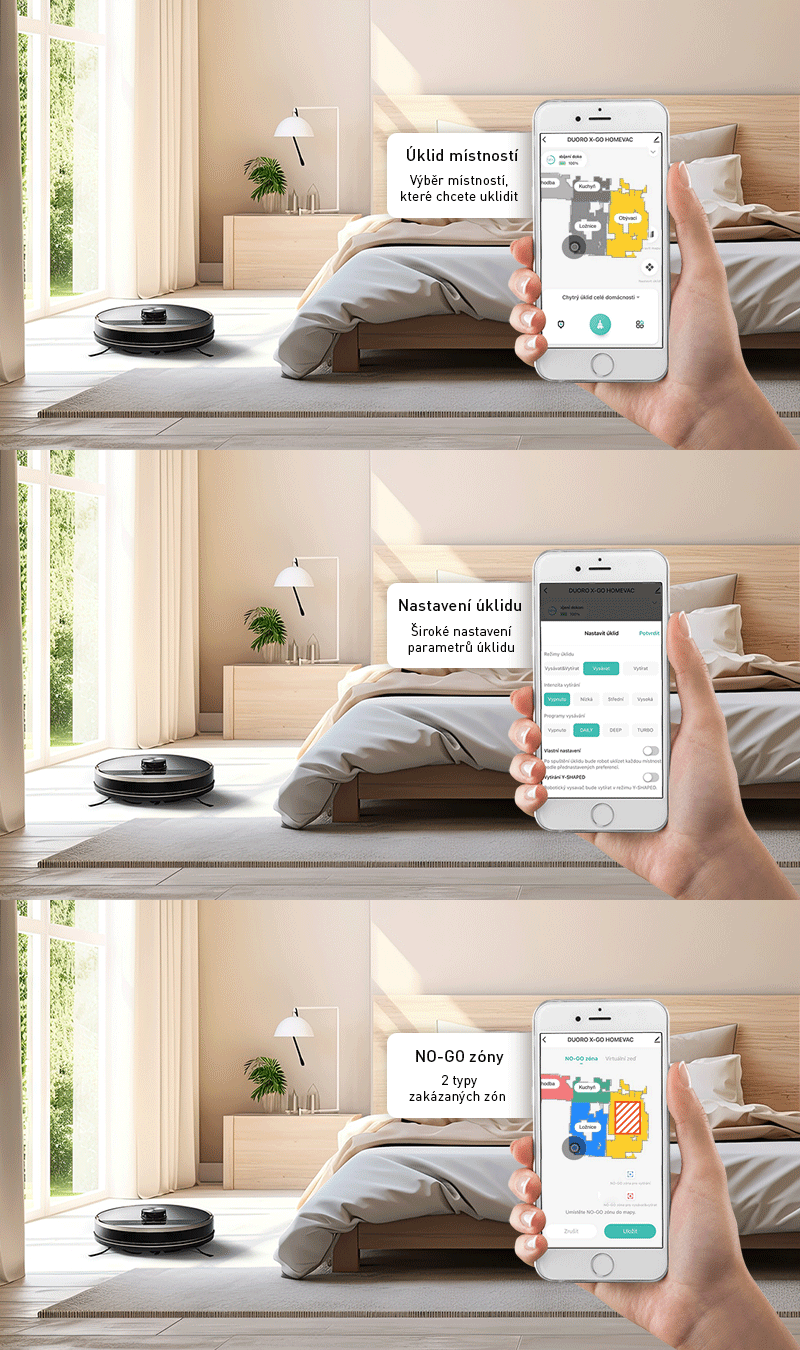
The mobile app serves as the control center for a smart robotic vacuum. Through the app, you can start or stop the robot, send it to a specific room, or schedule cleaning for specific days and times. For models with mapping capabilities, you can use the app to:
- name rooms,
- set cleaning to specific zones only,
- create no-go zones,
- adjust the suction power,
- set the mopping intensity,
- monitor the robot's status,
- check the cleaning history,
- change mop washing intervals,
- schedule cleaning based on your household routine.
In practice, this means the robot can clean while you’re at work, out for a walk, or asleep. This keeps your home consistently clean without you having to clean manually every day.
The
robot cleans thanks to integrated technology
A robotic vacuum works as an integrated system. Sensors help it perceive its surroundings; navigation and software plan its route; the suction system collects debris; the filtration system traps fine dust; and the app allows you to control cleaning based on your household’s needs. Advanced models also include mopping, automatic debris removal, mop washing, drying, and water refilling.
As a result, a robotic vacuum cleaner becomes a helper that can handle regular floor cleaning with minimal user intervention. Choose a model based on the size of your home, the type of flooring, and how much convenience you expect from the robot.